
@soccergoat17
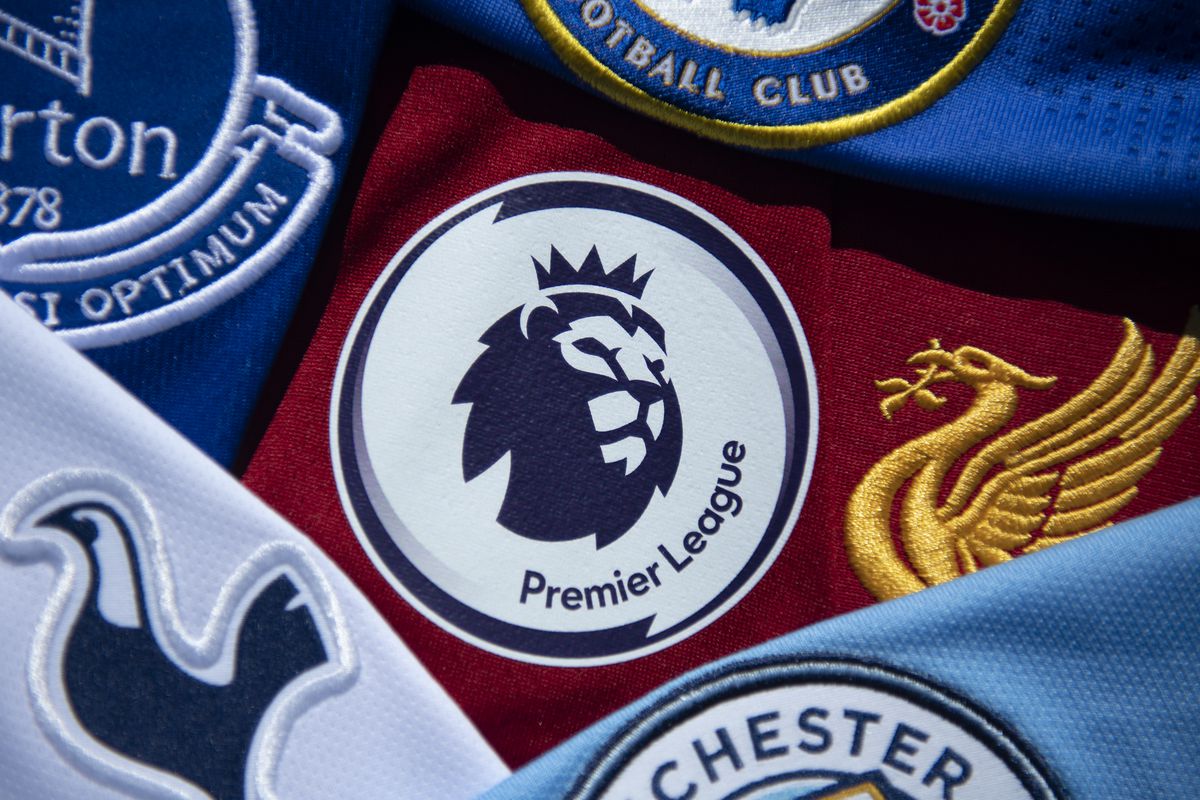
The History of the Prem (Part 1)
Before the Premier League
Before the Premier League became one of the biggest sporting competitions in the world, England’s top division was known as the First Division. For decades, clubs competed under the Football League, but by the late 1980s, English football was changing. Stadiums were often outdated, hooliganism had damaged the sport’s reputation, and clubs were beginning to realize just how much money could be generated from television, sponsorships and commercial deals.
The Breakaway
The biggest clubs wanted more control over their finances and television rights. This eventually led to the creation of a new competition. On 17 July 1991, the Founder Members Agreement laid the groundwork for the Premier League, and on 20 February 1992, all 22 First Division clubs resigned from the Football League. The Premier League was officially established on 27 May 1992, creating a completely new era for English football.
The First Premier League Season
The first Premier League season began on 15 August 1992 with 22 clubs. The opening weekend immediately created history when Sheffield United’s Brian Deane scored the first-ever Premier League goal against Manchester United. The original league featured some of the biggest clubs in English football, including Liverpool, Arsenal, Tottenham Hotspur, Chelsea, Everton, Aston Villa and Manchester United. Nobody could have predicted how successful the competition would eventually become.
Manchester United Take Control
Manchester United quickly became the dominant force of the new league. Under Sir Alex Ferguson, United had already been building toward success, but the arrival of Eric Cantona from Leeds United in November 1992 proved to be a major turning point. Cantona brought creativity, confidence and technical quality to United’s attack, helping transform them into the strongest team in the country.
Manchester United eventually won the inaugural Premier League title, finishing 10 points ahead of Aston Villa. It ended a 26-year wait for a top-flight championship and established Ferguson as the manager at the center of the new era. Teddy Sheringham of Tottenham finished as the league’s first Golden Boot winner with 22 goals, while players such as Alan Shearer, Ian Wright and Matt Le Tissier were already becoming major stars.
Blackburn Shock the League
However, Manchester United’s dominance was briefly interrupted by Blackburn Rovers. In the 1994–95 season, Blackburn, managed by former Liverpool boss Kenny Dalglish, produced one of the greatest title challenges in early Premier League history. Their attack was led by Alan Shearer and Chris Sutton, who formed the famous “SAS” partnership. Shearer scored 34 league goals, and Blackburn eventually finished one point above Manchester United to win the title.
The Blackburn triumph showed that Manchester United could be beaten, but the next few years would establish one of the greatest rivalries in English football.
Arsène Wenger Arrives
In 1996, Arsène Wenger became Arsenal manager. At first, many people in England were unsure about the relatively unknown French coach, but Wenger quickly began changing the way Arsenal approached football. He introduced new ideas about nutrition, fitness, training and tactics while building a team based around technical quality and intelligent attacking football.
Wenger’s influence became obvious in the 1997–98 season. Arsenal challenged Manchester United for the championship with players such as Dennis Bergkamp, Patrick Vieira, Tony Adams and Marc Overmars. Arsenal eventually finished top and won the Premier League title. Wenger had immediately established himself as one of the most important managers in English football, while the rivalry between Arsenal and Manchester United became the defining battle of the late 1990s.
The Premier League Goes Global
While the competition on the pitch was becoming more intense, the Premier League was also changing financially. Television coverage expanded rapidly, international audiences grew and transfer fees increased. Players became global celebrities, clubs earned more money from broadcasting and sponsorships, and the Premier League began attracting footballers from across the world.
The league also became more international. Foreign players brought different technical styles and tactical ideas, while managers began experimenting with formations, pressing systems and possession-based football. The traditional English style of physicality and direct play was gradually being combined with techniques from across Europe and beyond. This mixture would eventually become one of the Premier League’s biggest strengths.
A New League Structure
The structure of the league also changed. The original Premier League contained 22 clubs, but from the 1995–96 season onward, the competition was reduced to 20 teams. The modern structure began to take shape, with 20 clubs playing 38 matches each, promotion and relegation connecting the Premier League with the divisions below it, and three points awarded for a win.
The Rise of the Superstars
By the late 1990s, the Premier League had become almost unrecognizable compared with the old First Division. Manchester United were becoming a superpower, Arsenal had emerged as their biggest challenger, Blackburn had already shocked the football world, and clubs such as Chelsea were beginning to build serious ambitions.
Players were also becoming global icons. David Beckham became one of the most recognizable footballers on the planet, Eric Cantona became a symbol of Manchester United, Alan Shearer established himself as one of the greatest goalscorers in English football, and Dennis Bergkamp became famous for his incredible technique and creativity.
The Treble
Then came the 1998–99 season. Manchester United were competing for the Premier League, FA Cup and Champions League simultaneously. They won the Premier League and FA Cup before facing Bayern Munich in the Champions League final. United were losing 1–0 heading into stoppage time, but Teddy Sheringham equalized before Ole Gunnar Solskjær scored the winning goal moments later. Manchester United had completed the treble.
It was one of the greatest achievements in English football history and a perfect representation of how far the Premier League had come since its creation.
The End of the Beginning
In only seven seasons, the Premier League had gone from a newly created competition to a global football powerhouse. It had produced new rivalries, new superstars, huge commercial growth and some of the most dramatic moments in football.
Manchester United had established themselves as the first great Premier League dynasty. Arsenal had emerged as their biggest challenger. Blackburn had proven that an outsider could win the championship. Chelsea were beginning to grow into a major force, while clubs across England were adapting to the rapidly changing football landscape.
But the Premier League’s greatest chapters were still ahead.
The 2000s would bring even bigger transfers, legendary players and major changes to the balance of power. Arsenal would create one of the greatest teams in Premier League history. Chelsea would undergo a financial revolution. Liverpool would continue their search for their first Premier League title. And eventually, Manchester City would completely change the financial and competitive landscape of English football.
Part One ends with the Premier League no longer being a new experiment. It had become the center of English football—and the greatest chapters were still ahead.
Part Two: The Rise of the Giants
Manchester United, Arsenal, Chelsea and the beginning of the modern Premier League.
6
0
Replies: