Wrigley Field
Home to: Cubs
Cubs
Overview
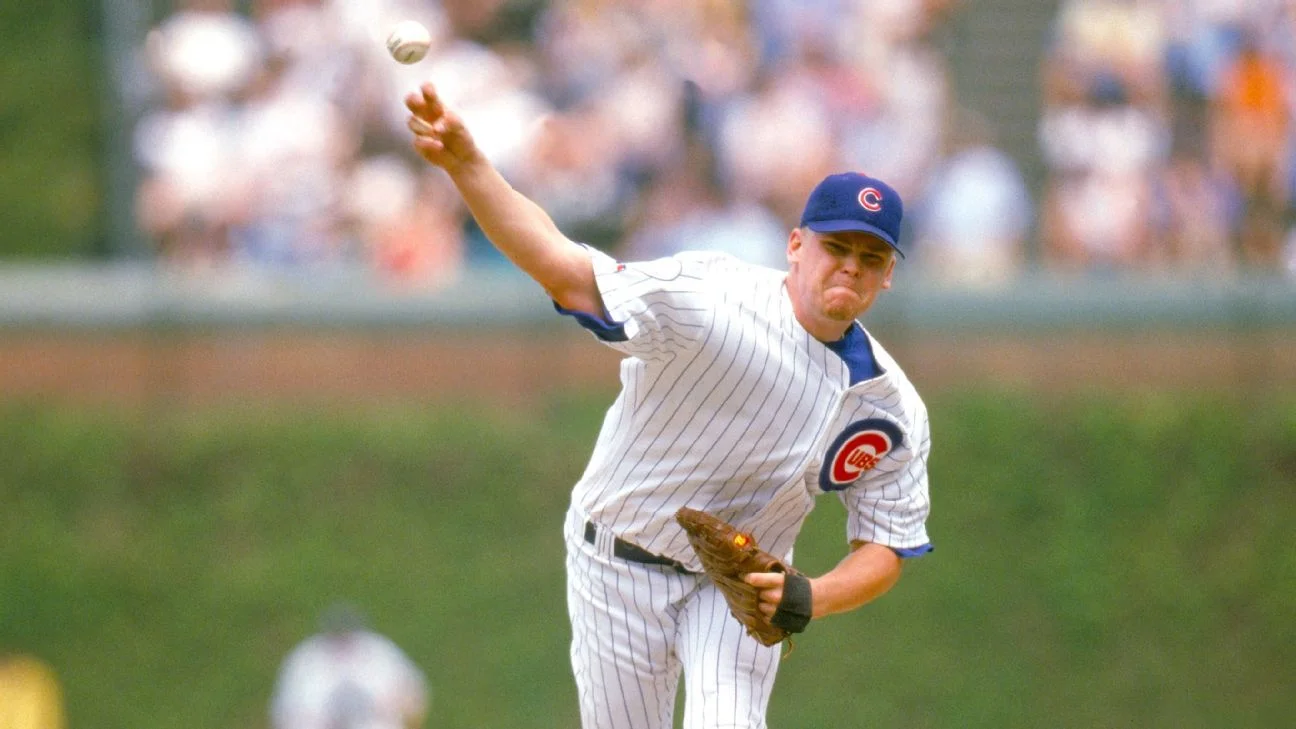
Wrigley Field on Chicago's North Side is the second-oldest ballpark in Major League Baseball, the ivy-walled home of the Cubs since 1916. Its brick outfield walls covered in climbing ivy, a hand-turned scoreboard that still updates by hand, and rooftop seating on the surrounding Wrigleyville buildings give it an unmistakable, old-school identity. The Wrigleyville neighborhood around the park turns into a full-day festival on game days, with bars and rooftops packed well before first pitch. It remains one of the most requested pilgrimage stops for baseball fans nationwide.
History & Legacy
Opened in 1914 as Weeghman Park for the Federal League's Chicago Whales, the Cubs moved in in 1916 and the park was renamed Wrigley Field in 1926. It hosted World Series games during the Cubs' long championship drought, most memorably ending 108 years without a title with the 2016 World Series win over Cleveland. Lights were finally installed in 1988, decades after every other MLB park, following resistance to night baseball at the historic venue. The ballpark's ivy, manual scoreboard, and rooftop seating have become enduring symbols of baseball tradition.
Source: RateGame editorial
Opened1914
Capacity41,600
Notable Events2016 Cubs World Series title; ivy walls & hand-turned scoreboard; 1988 first night game
8.9
Average ratingStadium
99Ratings